REVIEW · KO SAMUI
Samui: Elephant Nutrition and Care Education Experience
Book on GetYourGuide →Operated by SamuiElephantHome · Bookable on GetYourGuide
Elephant food prep is surprisingly moving. This Samui visit at the Samui Elephant Home focuses on how nutrition keeps rescued elephants healthy, from calves to older elephants, with real staff-led demonstrations. I like that you’re not rushed into gimmicky “animal selfies,” you learn the why behind the care.
Two things really land. First, I love the hands-on part: you help prepare supplementary food using natural ingredients like bananas, pumpkins, sticky rice, and herbs. Second, I like the guide storytelling—especially with Noi—where you hear individual elephant histories and how their diets are adapted to different needs.
One consideration: this is an education-forward program, not a long, hands-on session. If you’re expecting lots of extra experiences like bathing, that may be offered as a separate add-on elsewhere, so you should choose based on what you want most.
In This Review
- Quick Hits Before You Plan Your Visit
- Samui Elephant Home Nutrition Class: What Makes This Experience Different
- Getting There From Ko Samui: Pickup, Timing, and How the 2 Hours Add Up
- Entering the Nursery: Safety Briefing and Elephant Stories That Set the Tone
- Preparing Supplementary Elephant Food: Bananas, Pumpkin, Sticky Rice, and Herbs
- Feeding Time in a Safe, Respectful Environment (With Photo Opportunities)
- Ethical Elephant Care and Conservation: What You’re Supporting
- Price and Value: Why $32 Can Actually Make Sense
- Who This Tour Fits Best (And Who Might Want Another Option)
- Practical Details You Should Know Before You Go
- Should You Book Samui Elephant Nutrition and Care Education?
- FAQ
- How long is the Samui Elephant Nutrition and Care Education Experience?
- What does the tour cost?
- What’s included in the price?
- Is food and drink included?
- What do I need to bring?
- Is hotel pickup included, and when do I need to be ready?
- Can I cancel, and can I reserve without paying right away?
Quick Hits Before You Plan Your Visit
- Hotel pickup and drop-off: you start and end in Ko Samui, with staff meeting you at the lobby.
- Guide-led education with elephant stories: listen to individual backgrounds and how care works in practice.
- You help prepare natural supplementary food: bananas, pumpkin, sticky rice, and herbs are part of the process.
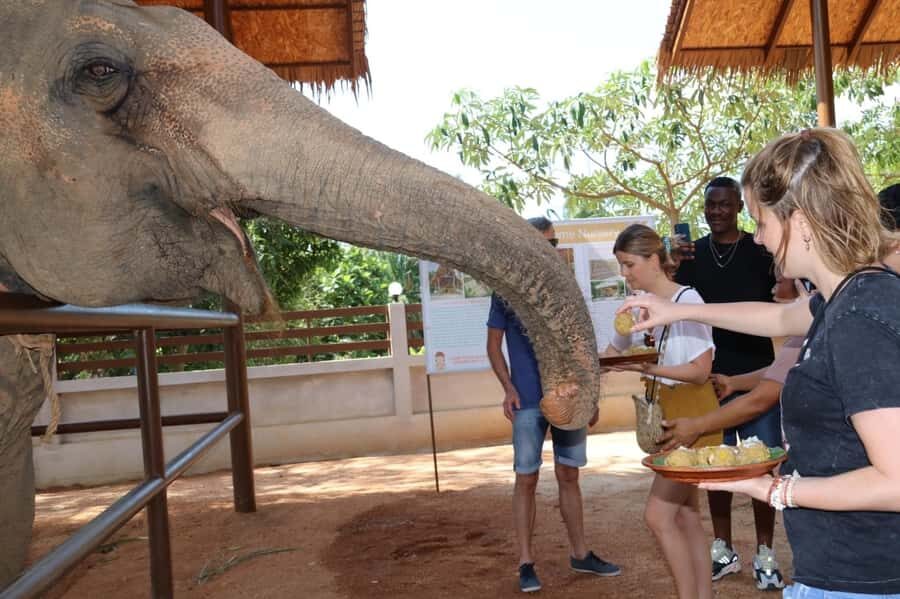
- Calm, respectful feeding time: elephants enjoy food in a safe environment with guidance on distance and behavior.
- Ethics over entertainment: the emphasis is welfare and conservation-style care, not rides.
- A short, focused visit: the “with-elephants” portion feels like a tight one-hour block, with transport time making it a full outing.
Samui Elephant Home Nutrition Class: What Makes This Experience Different
Samui has plenty of elephant encounters on paper. This one has a clearer purpose: elephant health through nutrition, taught in a way that feels practical and grounded. You’re not just watching a routine—you’re learning how daily food choices connect to wellbeing over the long run.
The setting is also a key part of the value. The experience is based at the Elephant Home Nursery in Koh Samui, described as the first elephant nursery in the area. That matters because it signals you’re joining a care-focused operation rather than a fast-moving roadside show.
And yes, you’ll see the elephants enjoying food. But the real payoff is the explanation behind the feeding: how different diets support different ages and needs, and how staff adapt care day to day. It’s the kind of topic that makes you leave with something you can actually use—like understanding why certain foods matter and why timing and portioning aren’t random.
Other elephant sanctuary tours we've reviewed in Ko Samui

Getting There From Ko Samui: Pickup, Timing, and How the 2 Hours Add Up
You’ll get hotel pickup and drop-off from Ko Samui as part of the program. After booking, the pickup time is sent to you, and you’re asked to wait in your hotel lobby for around 15 minutes during pickup.
Duration is listed as 2 hours. In real terms, think of it as a half-day-like feel without the whole half-day cost—transport plus a guided nursery visit. The guided portion is described as including the safety briefing and wildlife viewing for about 1 hour, which is consistent with why this tour feels focused rather than stretched out.
If you like your activities efficient—something you can fit between beach time and dinner—this format is a strong match. If you want a full morning with very extended elephant access, you may feel the time is “enough” rather than “too much.”
Entering the Nursery: Safety Briefing and Elephant Stories That Set the Tone
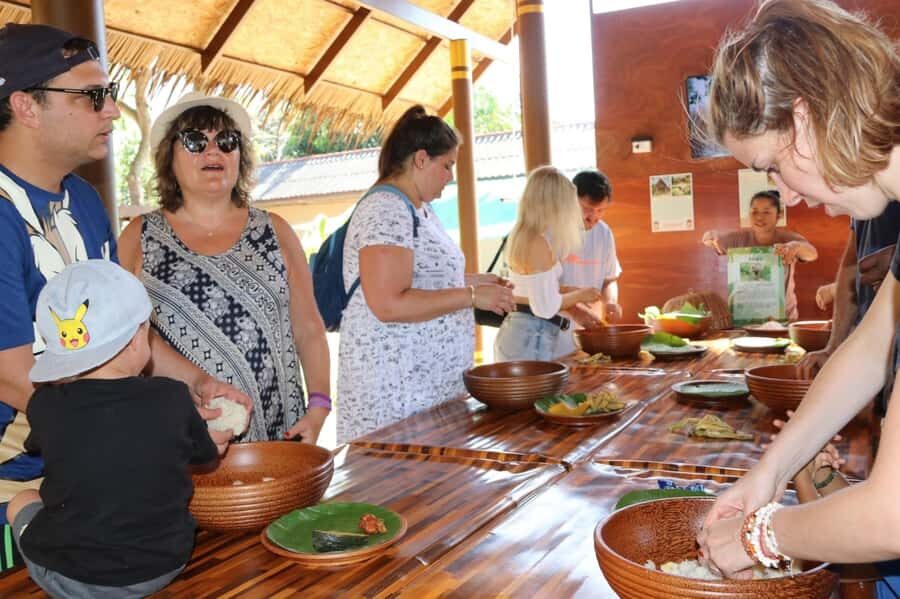
When you arrive at Samui Elephant Home, you’re welcomed by an experienced guide. The first phase is a guided orientation: background on the elephants, their individual stories, and why proper nutrition is such a big deal for their long-term welfare.
That setup changes the whole mood of the visit. Feeding looks simple until you learn it’s part of a care plan. Then it starts to feel like a daily routine that staff protect and refine, not a trick to entertain visitors.
A standout theme is the guide’s emotional commitment. In guides’ descriptions, Noi shows up again and again—passionate, warm, and invested in explaining both the elephants and how the sanctuary works. You don’t need to guess what you’re there to learn; the tour frames it for you right away.
Preparing Supplementary Elephant Food: Bananas, Pumpkin, Sticky Rice, and Herbs
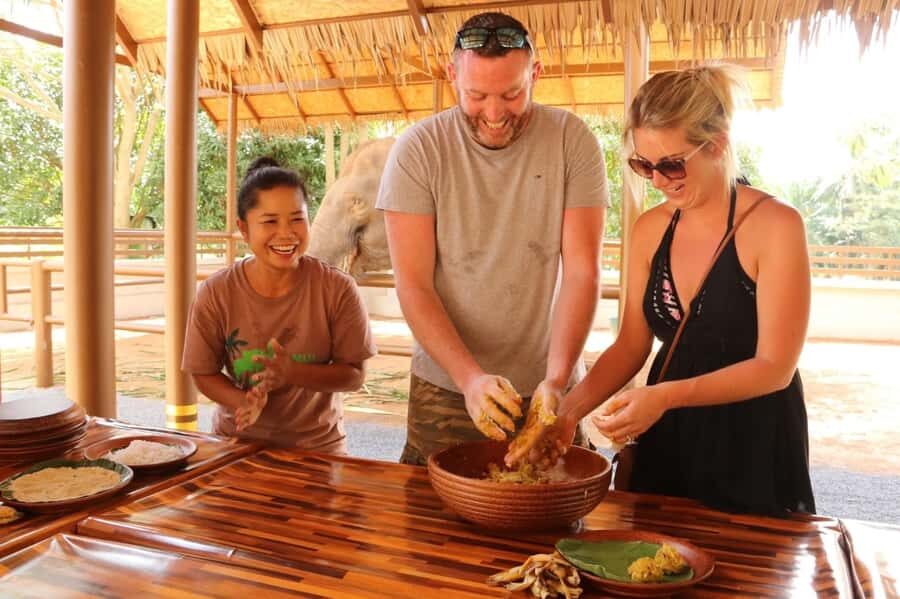
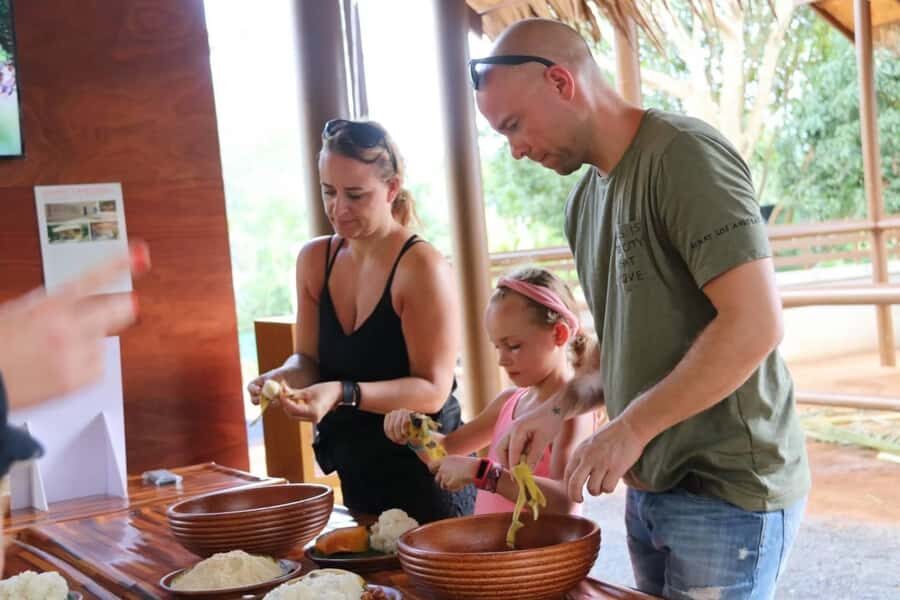
This is the part I think most people will remember. The experience includes a staff-led demonstration where supplementary food is prepared using natural ingredients. In your case, the tour description calls out bananas, pumpkins, sticky rice, and herbs—and that you’ll have opportunities to help as part of the process.
Why this matters for value: it turns the visit from passive watching into active education. You get a tangible sense of what’s in the food and how natural ingredients are used. You also get to ask questions through the guide’s explanations, especially around how nutrition supports elephants of different ages.
The tour also explains that diet isn’t one-size-fits-all. Expect discussion of how elephants’ needs shift—from young calves to older elephants—and how their supplementary food is adapted. That’s an important detail, because it moves the conversation beyond generic “elephants eat bananas” logic.
One more practical note: the program is about supplementary food and natural supplementary preparation. That’s different from entertainment-style elephant feeding where tourists toss handfuls and walk away. Here, the process is presented as part of a structured routine with staff in charge.
Feeding Time in a Safe, Respectful Environment (With Photo Opportunities)
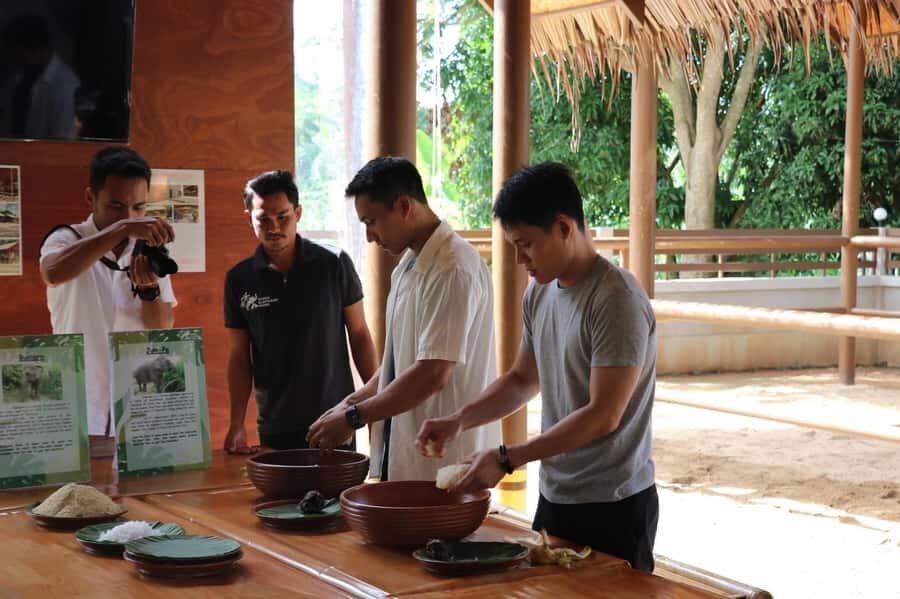
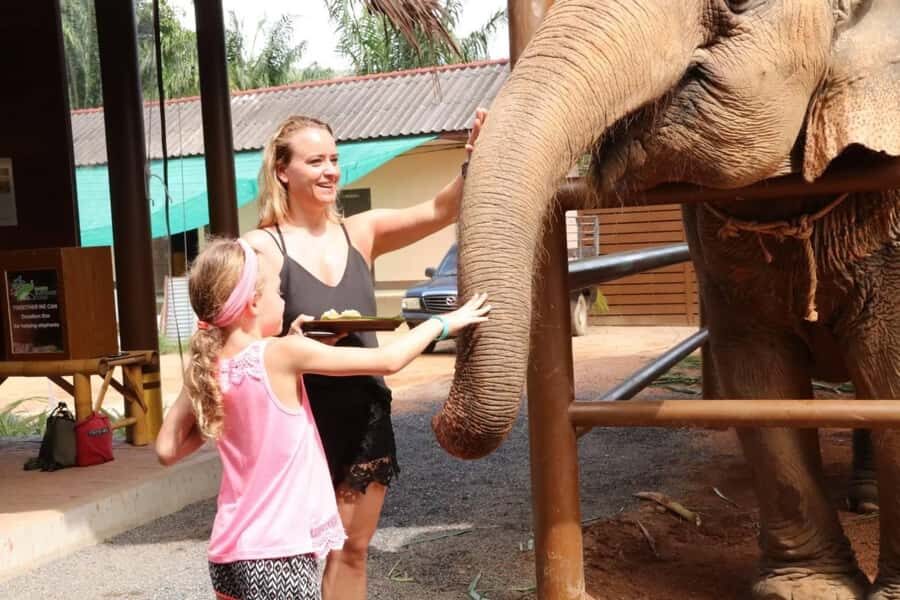
After food prep, you’ll watch elephants enjoy their food calmly. The tour description is clear about the tone: a safe, respectful environment where elephants can eat without stress, and you take photos and videos from a respectful distance.
That “respectful distance” detail matters. If you’re the type who worries about animal behavior and visitor interference, this format is designed to keep the focus on calm eating and welfare. It also helps you enjoy the moment without turning it into chaotic crowd noise.
Many participants also appreciate that staff and guides help keep things smooth. You may see more food offered or refreshed during the feeding period, and staff may offer plenty of support so you can capture memories without stepping into the elephants’ space.
Also, this is not an all-day interaction where elephants mill about for long periods for photos. It’s structured. That can feel ideal if you want to learn and observe. It can feel short if you came for a longer, more physical interaction.






Ethical Elephant Care and Conservation: What You’re Supporting
The tour is explicitly framed around ethical elephant care and conservation practices in Thailand. The idea isn’t just that elephants are present—it’s that the nursery is protecting welfare and helping keep tourism aligned with animal wellbeing.
You’re also told that joining supports continued care and promotes a future where wildlife tourism prioritizes welfare, respect, and sustainability. That language is common, but here the education angle makes it feel more direct. You’re learning what proper care looks like in practice, especially through nutrition.
Some explanations from the experience’s broader context point to rescue and rehabilitation themes. If you’re drawn to the idea of supporting rescued elephants and staff working to help them thrive, the tour’s emphasis on individual stories and daily routines supports that motivation.
The best part is that the encounter is set up as education over interaction. You help prepare food, you watch feeding, and you learn the why. That approach tends to reduce the “stunt” feeling that bothers many people in this category.
Price and Value: Why $32 Can Actually Make Sense
This program is priced at $32 per person and runs about 2 hours total. For that money, you get hotel pickup and drop-off, an English-speaking guide, and insurance included.
Here’s the value logic I’d use as a traveler: you’re paying for three things at once—transport convenience, interpretation (not just a guide standing nearby), and a structured educational visit with staff-led demonstrations. You’re also not paying extra for basic “animal time” since the main activity is the care-and-nutrition lesson.
Food and drinks are not included. So yes, plan to handle your own water or snacks before or after. But the tour itself focuses on the nutrition experience, so the cost is mainly for the guided program and nursery access rather than a meal.
At this price point, the experience also compares well because it’s not bundled with extra premium activities. Some folks want bathing, and one theme that shows up is that bathing may be offered as a separate package for slightly higher cost. If you’re looking for only the core education and feeding, this option fits.
Who This Tour Fits Best (And Who Might Want Another Option)
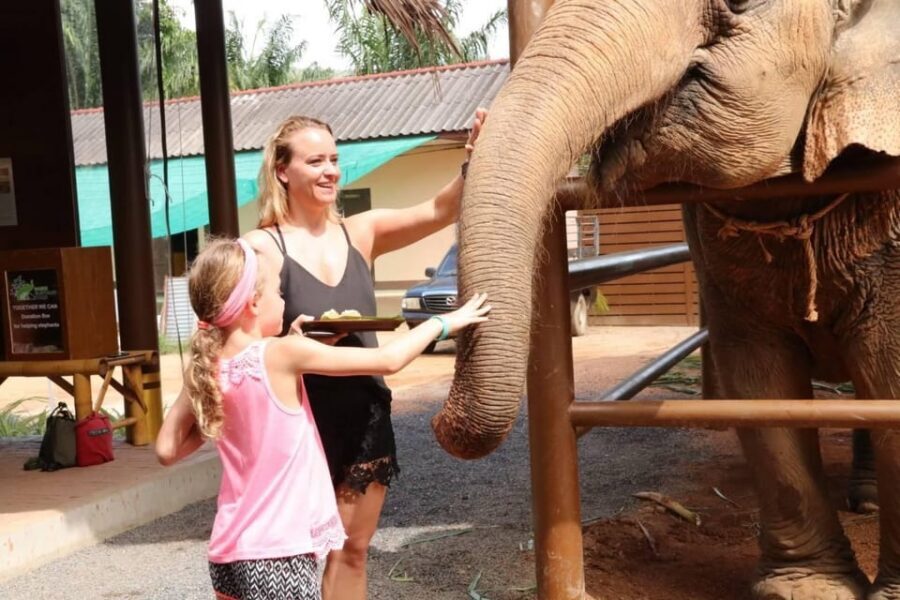
This tour is a good fit if you care about learning how elephant care works, not just checking an animal off your list. If you’re into welfare and want to understand how nutrition supports elephant health across ages, you’ll likely feel satisfied.
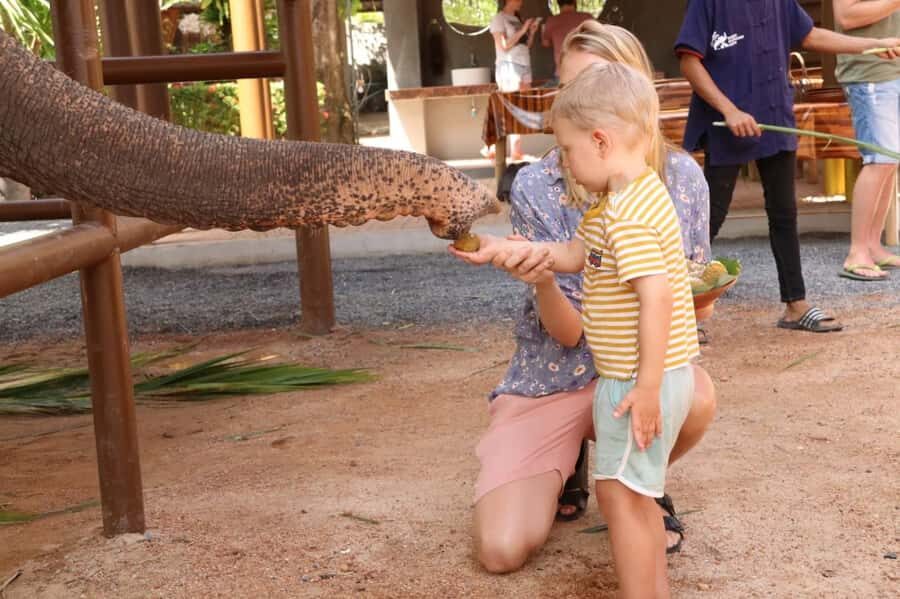
Families can also work well here. The experience is short, guided, and structured, which tends to work for kids who can handle one focused hour plus transit time. If your group prefers interactive but calm activities, food prep and feeding time can hit that sweet spot.
It may not be the best choice if you want a long, hands-on elephant encounter or extra add-ons included. This program is nutrition education and calm feeding in a safe setting, with interaction kept respectful and controlled.
Practical Details You Should Know Before You Go
Bring a passport or ID card, because that’s specifically listed as required. Dress for heat and daylight since you’ll be outside for parts of the visit, and wear comfortable shoes you’re happy to stand in.
Plan around the fact that food and drinks aren’t included. You’ll be busy before and after the nursery visit, and it’s easier to enjoy the learning part when your basic needs are already covered.
If you care about mobility access, note that the activity is listed as wheelchair accessible. That’s useful information when you’re choosing between elephant experiences.
And if you’re photographing, the expectation is clear: you’ll take pictures from a respectful distance. So think “document and remember,” not “get in close.”
Should You Book Samui Elephant Nutrition and Care Education?
I think you should book if your heart is in the welfare-and-education angle. The strongest reasons are simple: you help prepare natural supplementary food, you learn how nutrition supports different elephants, and the whole visit is framed around calm feeding and ethical care rather than entertainment.
Skip it (or compare alternatives) if you’re only interested in longer hands-on elephant time or extra activities like bathing bundled into the price. This one is about the nutrition lesson and the feeding routine in a safe, respectful environment.
If you want an elephant experience that teaches you something real—something you can explain to friends after—you’ll likely feel good about choosing this one.
FAQ
How long is the Samui Elephant Nutrition and Care Education Experience?
The experience lasts 2 hours total.
What does the tour cost?
The price is $32 per person.
What’s included in the price?
Hotel pickup and drop-off, an English-speaking guide, and insurance are included.
Is food and drink included?
No. Food and drinks are not included.
What do I need to bring?
You should bring a passport or ID card.
Is hotel pickup included, and when do I need to be ready?
Yes, pickup and drop-off are included. You’ll be asked to wait in your hotel lobby about 15 minutes during the pickup time that will be sent to you after booking.
Can I cancel, and can I reserve without paying right away?
Yes. Free cancellation is available up to 24 hours in advance for a full refund. You can also reserve now and pay later (paying nothing today).