REVIEW · KO SAMUI
Koh Samui: Elephant Sanctuary Entry and Feeding Experience
Book on GetYourGuide →Operated by Elephant Jungle Sanctuary Samui Co., Ltd. · Bookable on GetYourGuide
Koh Samui elephants, up close and calm. This one-hour sanctuary entry and feeding experience lets you meet elephants during feeding time while the place focuses on animal welfare. The setup is designed to feel more like being near elephants in their space, not a performance.
Two things I really like: you get hands-on feeding with the food provided, and you’re in a small group (up to 10) with a live guide in English and Thai. One thing to consider is that while the sanctuary is listed as wheelchair accessible, the paths and ground can be uneven, so plan for some walking.
In This Review
- Key Highlights at Elephant Jungle Sanctuary Samui
- How Koh Samui’s Sanctuary Feeding Experience Fits Into Your Day
- What Happens During Feeding Time (Step by Step, What You’ll See)
- Where the Magic Moments Come From: Behavior, Choice, and Calm
- Your Guide Role: Stories, Timing, and Taking Photos Without Pressure
- Food and What You Can Expect to Feed
- Accessibility and Comfort: Great for Many People, Still Plan for Walking
- Price and Value at $28: When This Feels Like a Win
- Who Should Book This Koh Samui Elephant Sanctuary Entry Ticket
- Should You Book This Elephant Jungle Sanctuary Feeding Entry in Koh Samui?
- FAQ
- How long is the Koh Samui elephant sanctuary feeding entry experience?
- What is included with the entry ticket?
- Can I ride the elephants during this experience?
- Is it a small group?
- What languages are the guides?
- Is it wheelchair accessible?
- What is the cancellation policy?
- Do I feed the elephants myself?
Key Highlights at Elephant Jungle Sanctuary Samui
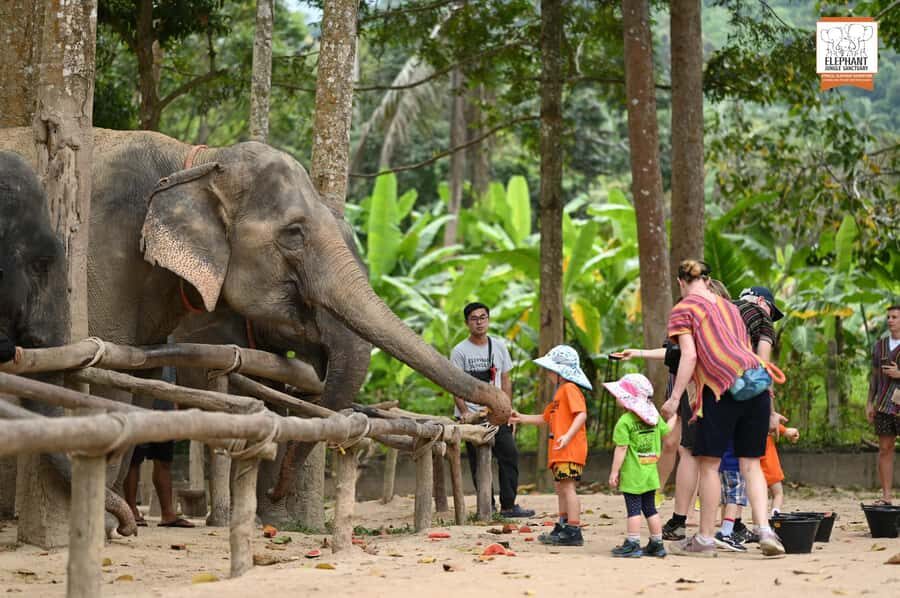
- You feed the elephants yourself, using provided elephant food during designated feeding time
- Small group limit (10 people) keeps the experience calmer and less crowded
- No rides or harmful activities, with the welfare-first approach clearly stated
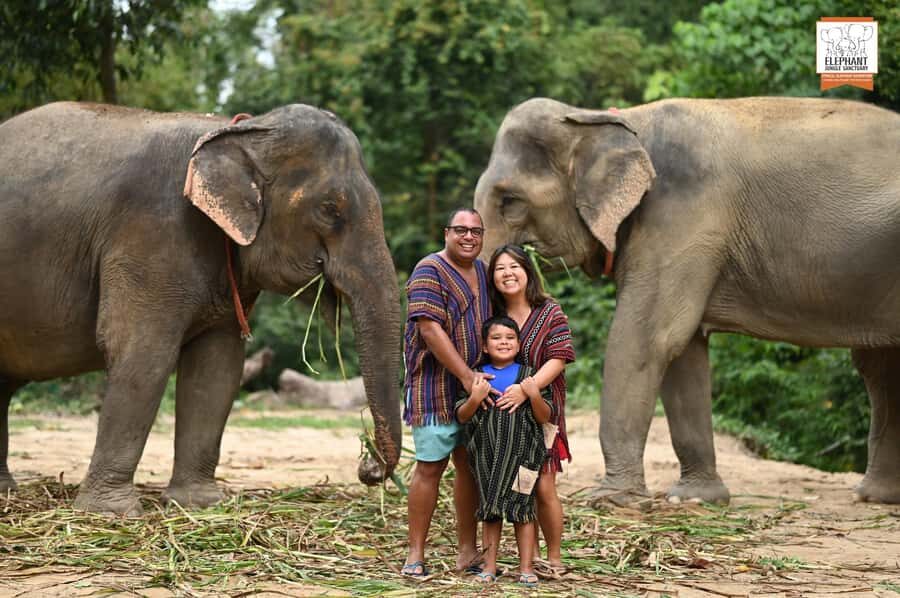
- You get time for photos with elephants choosing to approach you
- Guides explain elephant behavior and rescue stories, including examples shared by named staff like Karam
- A simple one-hour format makes it easy to fit into a busy Koh Samui day
How Koh Samui’s Sanctuary Feeding Experience Fits Into Your Day
This is an easy activity to slot into a Koh Samui itinerary because the whole experience is about one hour. You’re not committing to an all-day excursion, and you’re not stuck in long transfers that eat your vacation time. If you’re tight on time, the short duration is a big practical win.
Price-wise, it’s listed at $28 per person, and that matters because you’re not just paying to enter a property. You’re paying for a guided visit with entry plus elephant food included, in a setup that explicitly avoids elephant rides and other harmful experiences. In other words, you’re buying proximity and interaction that stays focused on welfare, not on tricks.
The experience also has a built-in “tone.” The sanctuary environment is meant to simulate a natural one as closely as possible, so you’re not treating this like a circus-style event where elephants are staged. Even in the small-group format, the best moments tend to be the quieter ones: elephants wandering over, grabbing food at their pace, and behaving like elephants.
One more note: the overall rating is 4.7 (from 1,446 reviews). That doesn’t replace your own judgment, but it’s a strong signal that most visitors find the experience meaningful and well-run.
Other elephant sanctuary tours we've reviewed in Ko Samui

What Happens During Feeding Time (Step by Step, What You’ll See)
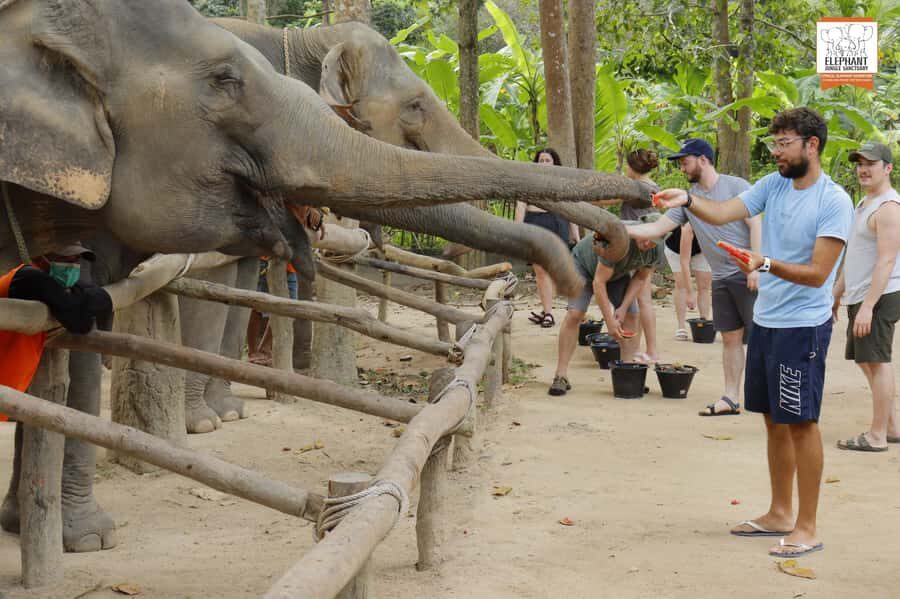
Feeding time is the heart of this experience. The flow is simple: you head to the provider’s camp area, then you observe and participate in feeding as part of the guided session.
A typical sequence looks like this:
- You arrive and check in at the sanctuary’s reception area.
- Some visitors report a quick handwash step before meeting the elephants, which is a smart touch if you’re handling food.
- You’re given baskets of elephant food (the kind of fruit can include options like watermelon and banana; some people also mention leafy branches).
- Then you spend time with elephants as they approach and eat.
During the feeding window, you can expect gentle, close interactions. People describe elephants reaching out for the fruit, and if they don’t like a particular bite, you might see them spit it out and try for something else. That detail actually tells you a lot: the elephants are making choices, not being forced into a script.
Also, plan for a bit of variation. One review mentioned a group of elephants totaling seven, while another mentioned five. The key point for you is not the exact headcount. The key point is that you’ll likely get to interact with multiple elephants in the time you have.
And yes, you’ll see classic elephant behaviors while you’re there: relaxed roaming, social dynamics, and moments where they look entirely focused on their snack. Some visits include seeing elephants do things like mud play or shower-like moments, which often happen naturally in a sanctuary environment when conditions allow.
Where the Magic Moments Come From: Behavior, Choice, and Calm
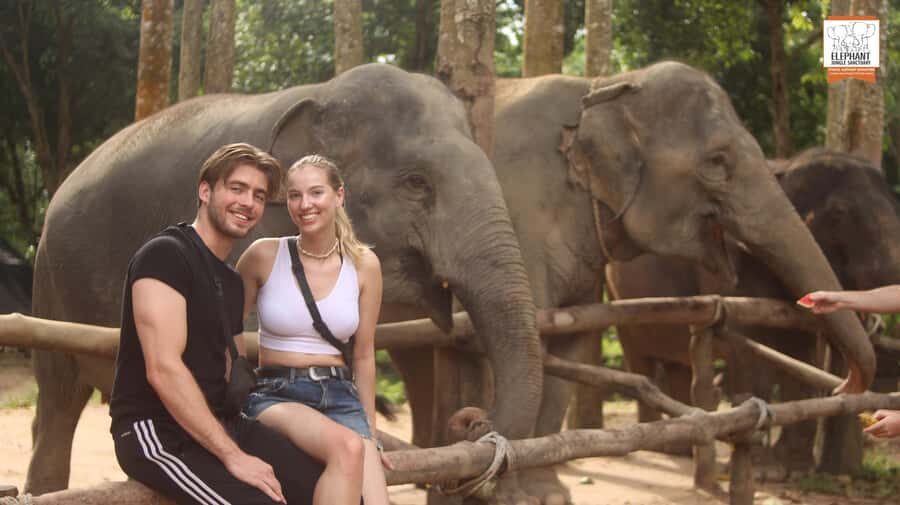
I like that this experience leans into elephant behavior rather than pushing you into constant “look here” moments. The sanctuary approach is about letting elephants remain in their own rhythm, and that shows up in how interaction works.
In a welfare-first setup, the most important sign is what’s missing. You won’t be doing elephant riding. You also won’t be participating in harmful activities, and the experience is designed around ethical treatment being prioritized. Visitors commonly note there are no chains or sticks around during their visit, which is exactly what you hope to hear when you choose a sanctuary.
So what should you watch for while you’re there?
- How close the elephants choose to get
- Whether staff keep distance when elephants need space
- How the elephants react to you (curiosity, gentle approach, taking food at their pace)
- Social behavior between elephants—watch for calm comfort rather than stressed crowding
One visitor even mentioned guides stepping in to ensure elephants get breaks from interaction while still allowing you to sit nearby and feed. That balance matters. You don’t want “touching time” to become “too much time,” and the sanctuary model is built to keep that line in place.
The other big emotional element is the rescue stories and why the elephants are there. More than one review highlights the guides sharing background about rescued elephants from places like circuses or other environments. Those details can be heavy, but they also make the experience feel less like a photo stop and more like something you’re supporting.
Your Guide Role: Stories, Timing, and Taking Photos Without Pressure
This is a guided visit with a live tour guide in English and Thai, and that makes the time feel purposeful rather than just walking around a camp.
What I’d expect your guide to do well:
- explain what you’re seeing during feeding time
- answer questions about elephant behavior and social dynamics
- help keep the interaction calm and safe for both you and the elephants
- support photography moments without turning the elephants into props
The photo part is real. Many visitors come specifically for the pictures, and the setup supports that. Elephants come to you, and guides often help with positioning so you can get clear shots while staying respectful of the animals’ space.
One named example from the reviews: Karam. At least one visitor credited Karam with taking good pictures while they held and petted an elephant. That’s the kind of detail you can take advantage of—if you want a solid group shot, ask the guide to help you line it up, then let the elephant decide when it wants to engage.
For best results, treat photo time like a side dish, not the main meal. The best pictures usually happen during natural moments: an elephant leaning in to eat, lifting an ear, or pausing in a relaxed stance. If you chase the “perfect pose” too hard, you risk stressing the moment.
Food and What You Can Expect to Feed
You get elephant food included, and feeding is hands-on. In reviews, common foods mentioned include watermelon, banana, and sometimes long leafy branches. The exact basket contents can vary, but the idea stays the same: you’re handing over food and letting elephants eat at their pace.
Some visitors describe the food supply as generous—one person specifically said it felt like an unlimited supply for feeding, while another described being given two baskets. That difference likely comes down to timing and how your session is run. Either way, you should go in knowing you’ll have enough food to participate fully, not just one symbolic bite.
Here’s a practical tip: keep your hands steady, don’t toss food, and pay attention to the guide’s cues about distance. If the elephant is reaching toward you, the best move is usually to hold the food calmly and let the elephant approach rather than stepping forward or grabbing.
Also, if an elephant shows disinterest, don’t take it personally. That’s part of animal behavior. People also note that elephants may spit out food they don’t want and then grab something else—again, that’s a sign the interaction is not being forced.






Accessibility and Comfort: Great for Many People, Still Plan for Walking
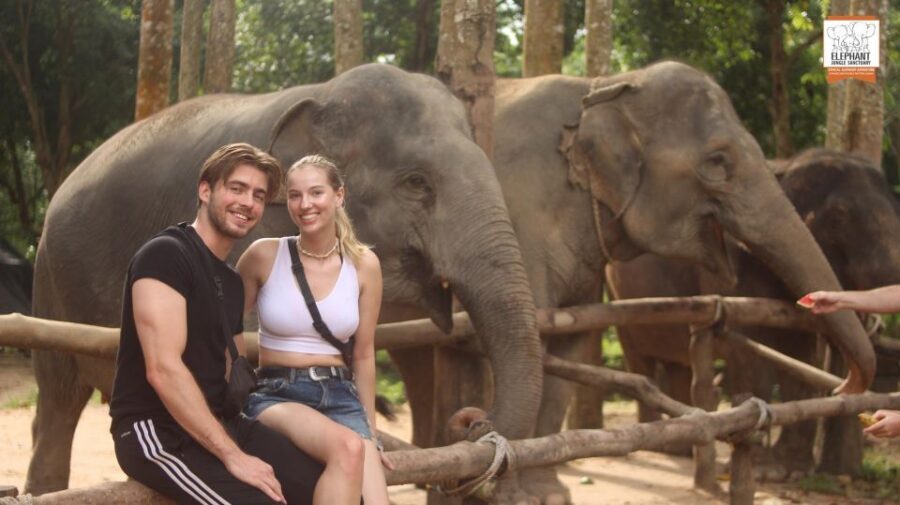
The activity is listed as wheelchair accessible, which is a helpful starting point. But comfort details matter, and the reviews include one clear caution: the grounds may be long and uneven.
So here’s how I’d plan if you’re mobility-limited:
- Assume you’ll do at least some walking on uneven surfaces.
- Bring sandals or shoes with grip if the ground is wet or muddy (sanctuary terrain can be like that).
- If you use a wheelchair, consider bringing someone who can assist on rough sections, because “accessible” doesn’t always mean “smooth path.”
If you’re able-bodied, the terrain still matters in the way it affects pacing. The experience is short (one hour), so you’ll want to conserve energy and focus on watching and feeding rather than sprinting for photos.
Price and Value at $28: When This Feels Like a Win
At $28 per person, this doesn’t feel like a bargain “because it’s cheap.” It feels like a good value because you get three things bundled together:
- Entry to a welfare-focused sanctuary
- Elephant food included for your feeding participation
- A live English/Thai guide who helps make the time informative and respectful
If you’ve done other wildlife encounters, you know the price spectrum can get strange fast. Some places charge more and still give you less: fewer chances to feed, more pushing, or animal interactions that don’t match welfare ideals. Here, the stated intent is clear: no rides, no harmful activity, and a focus on animal rights and ethical treatment.
One additional value signal: people describe not feeling rushed. In a one-hour format, not feeling rushed is a big deal. It means you get to settle in, feed, watch for elephant behavior, and still have time for photos.
And if you’re coming from a cruise schedule, the short duration helps. One visitor on a cruise said they liked that it fit their timing constraints—exactly the kind of benefit a tight schedule needs.
Who Should Book This Koh Samui Elephant Sanctuary Entry Ticket
This experience is a great fit if you want:
- a welfare-first elephant interaction
- a short, manageable commitment on your Koh Samui trip
- real hands-on feeding rather than a viewing-only stop
- a guide-led experience with time for questions and photos
It may be less ideal if you’re looking for a long, multi-hour “full day” sanctuary program with lots of trekking time. This one is designed to be compact and focused on feeding and observation.
It also works well for families. One review specifically mentioned it was a highlight for a six-year-old granddaughter, and another described it as enjoyable for adults too. That tracks: you’re interacting with elephants in a calm setting, not doing anything extreme.
If you care deeply about animal welfare, this is the type of activity you pick after thinking about what’s ethical. The lack of rides and the emphasis on elephants choosing interaction are the reasons the experience lands well with many visitors.
Should You Book This Elephant Jungle Sanctuary Feeding Entry in Koh Samui?
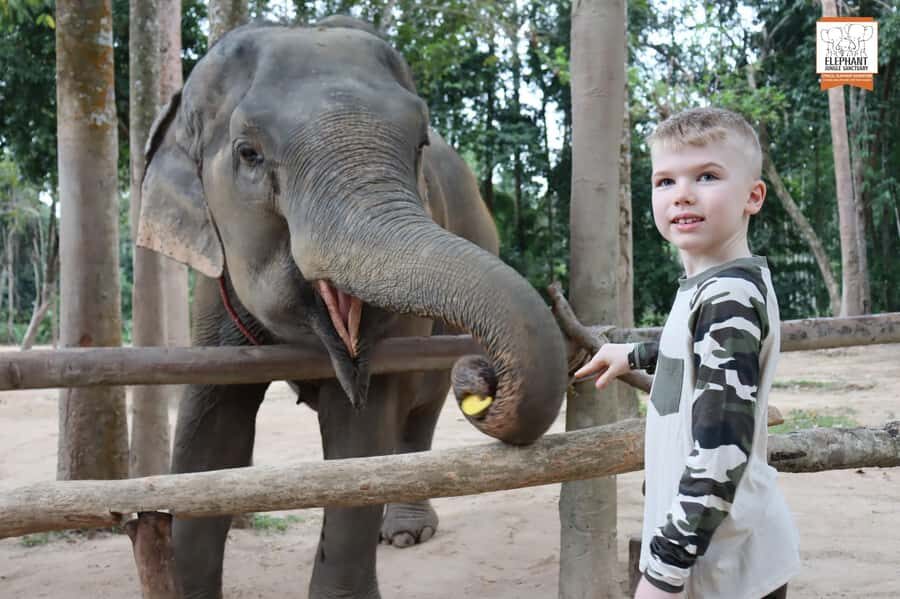
I’d book it if your goal is a short, meaningful elephant encounter that stays ethical and hands-on. The combination of included food, a small group, and a one-hour guided feeding session makes it a strong use of your time. Plus, the guides appear to do their job beyond just standing around—helping with explanations and photo moments while keeping elephant well-being in mind.
I’d hesitate only if:
- you have limited mobility and worry about uneven ground, since reviews note the grounds can be challenging
- you want a longer, deeper sanctuary program (this is compact by design)
If you want to support elephants in a setting focused on welfare, this Koh Samui sanctuary entry and feeding experience is an easy yes.
FAQ
How long is the Koh Samui elephant sanctuary feeding entry experience?
The experience is listed as 1 hour, and you can check availability for starting times.
What is included with the entry ticket?
Your ticket includes entry and elephant food.
Can I ride the elephants during this experience?
No. The experience prioritizes ethical treatment, and it specifically says that elephant rides and other harmful activities are not part of this experience.
Is it a small group?
Yes. It’s listed as a small group, limited to 10 participants.
What languages are the guides?
The live tour guide speaks English and Thai.
Is it wheelchair accessible?
It is listed as wheelchair accessible, though the experience takes place on sanctuary grounds, so you may still encounter uneven walking.
What is the cancellation policy?
There is free cancellation up to 24 hours in advance for a full refund.
Do I feed the elephants myself?
Yes. The experience includes feeding during the sanctuary’s feeding time, and you get the elephant food provided.