REVIEW · KOH SAMUI
Half Day Elephant Home Sanctuary in Samui
Book on Viator →Operated by Samui Elephant Home · Bookable on Viator
Elephants roam like they mean it on Koh Samui. This half-day visit at Samui Elephant Home is built around respectful observation in the jungle and clear lessons on how to care for Asian elephants. You’ll also get a vegetarian set meal after you explore with your guide, plus roundtrip transport from your hotel area.
The main thing to plan for is heat. This experience is mostly outdoors, and if the day is unusually hot, you may wish there were more places to cool off.
In This Review
- Quick highlights at Samui Elephant Home (Koh Samui)
- How the tour runs: pickup, timing, and where you start
- Getting up close without riding: what you’re actually doing with elephants
- Stop to stop: how the activities feel from start to finish
- 1) Arrival and elephant orientation in the sanctuary area
- 2) Making elephant food, then feeding them up close
- 3) Walking with the elephants and watching jungle behavior
- 4) Mud play and cooling down on their own terms
- 5) Bath time with mahouts and water help
- 6) The vegetarian set meal and a relaxed finish
- 7) Surprise video together
- What you learn: elephant history and practical care lessons
- The elephant-welfare angle: why this sanctuary feels different
- Price and value: is $97.83 worth it?
- Practical tips: how to get the most out of a jungle elephant day
- Who should book (and who might want a different option)
- Should you book the Half Day Elephant Home Sanctuary in Samui?
- FAQ
- How long is the Half Day Elephant Home Sanctuary tour?
- Do they pick up guests from their hotel?
- What is included besides elephant time?
- Is there a vegetarian meal included?
- What’s the group size limit?
- What happens if the weather is poor?
Quick highlights at Samui Elephant Home (Koh Samui)

- Free-roaming jungle time where elephants can move and graze naturally
- Hands-on food prep and feeding focused on safe, welfare-first interactions
- Mud and bath moments with mahouts using water to help elephants cool down
- Rescue stories and care lessons from local staff who explain elephant history and needs
- Vegetarian set meal served after the sanctuary activities
- Surprise video wrap-up and extra treats like cooling support in hot weather
How the tour runs: pickup, timing, and where you start
This is a true half-day plan, about 3 hours total. It starts with pickup from your hotel, then a drive to the sanctuary area on Koh Samui. The day is paced like a guided sequence: learn a bit, then do a short activity, then move on again. That back-and-forth rhythm helps you stay engaged without feeling rushed.
The tour uses a mobile ticket, and you’ll receive confirmation at booking. Group size is capped at 30 travelers, which matters because elephant time can get chaotic fast on popular days. A smaller group usually means your guide can keep a closer eye on what’s happening and keep interactions organized.
You end right where you start. The schedule is simple: you’re picked up, you spend time with the elephants and learn from staff, then you’re brought back after the meal and the final video moment.
Other elephant sanctuary tours we've reviewed in Koh Samui

Getting up close without riding: what you’re actually doing with elephants
One of the biggest reasons this tour works is that it isn’t built like an entertainment show. The focus is on watching elephants in their natural surroundings, then interacting in controlled ways that feel purposeful.
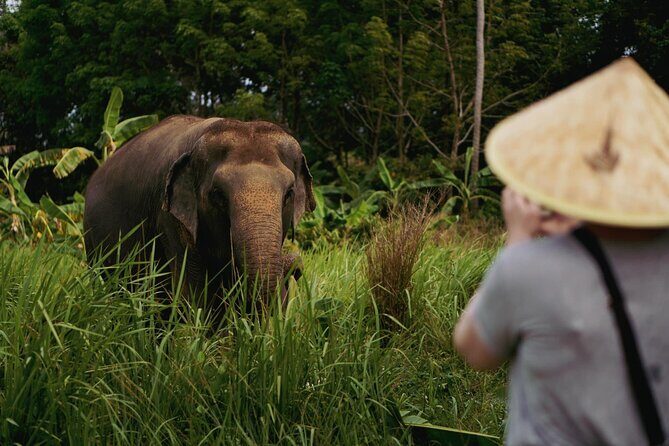
You’ll observe elephants roaming freely in the jungle while they search for food. That roaming time is the real “wow” factor. It’s not just a quick photo stop where the keepers guide everything like a performance. Instead, your guide helps you read elephant behavior: what “calm” looks like, how elephants cool down, and why routines matter.
Feeding is a major part of the experience too. You don’t just stand around while someone else does everything. You get to prepare elephant food first, then you feed them afterward. In the best moments, it feels like you’re supporting a care routine rather than staging a spectacle.
If your dream is elephant riding, you should know this tour is not about that. The interaction style here is closer to sanctuary care and education than animal tricks.
Stop to stop: how the activities feel from start to finish
1) Arrival and elephant orientation in the sanctuary area
When you arrive, you’re not thrown directly into the middle of the group. You’ll get a basic setup from your guide, and you start learning the elephants you’re going to spend time with. Staff explain elephant history and how to take care of them, which adds context before the hands-on parts begin.
This matters more than it sounds. Without context, feeding can feel like a simple activity. With context, you start noticing what elephants respond to, how keepers manage space, and why certain behaviors are encouraged or avoided.
2) Making elephant food, then feeding them up close
Next comes one of the most praised parts: preparing food with your group and then offering it to the elephants under staff direction. The goal isn’t to swarm or crowd. It’s structured, with guides coordinating so the elephants stay comfortable.
Many people highlight that this is a closer, more personal feeding experience than typical quick encounters. You can also expect plenty of practical instruction from staff. That includes how to approach calmly, when to step back, and what to watch for as elephants move in and out of the area.
I like this format for one simple reason: you get participation without losing the “this is their space” feeling.





3) Walking with the elephants and watching jungle behavior
After feeding, the flow shifts to observing. You’ll spend time watching elephants roam in the natural surroundings in the jungle. This is where you get to see elephants do ordinary elephant things: move through the habitat, eat, and settle into their own rhythms.
Even if you think you already know elephants, this part often changes how you see them. In a place designed for care and recovery, the behavior looks less like entertainment and more like daily life.
4) Mud play and cooling down on their own terms
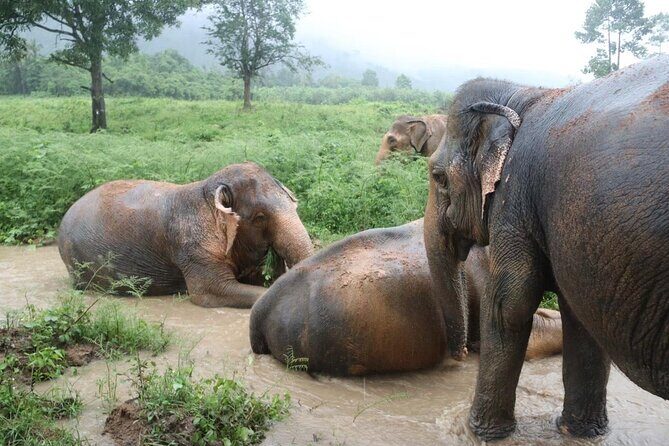
Elephants cool down in different ways, and you’ll see them play in mud as they regulate comfort. The point isn’t for visitors to control the moment. It’s for you to observe how elephants choose behaviors that help them stay comfortable in the heat.
5) Bath time with mahouts and water help
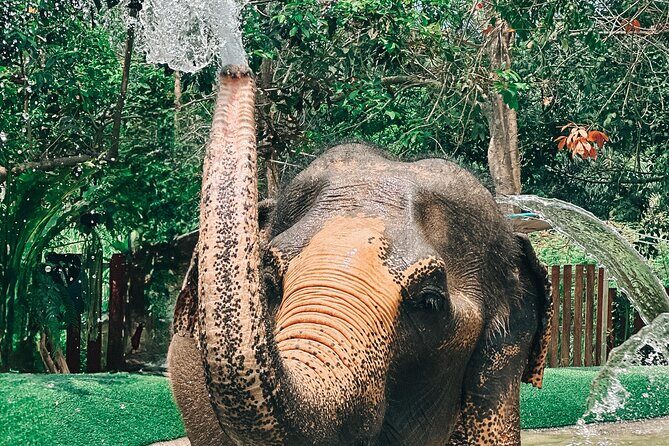
You’ll also see elephants enjoying bathing in a pool. Mahouts (the elephant handlers) carefully clean them, splashing water with hoses and focusing on comfort and well-being. That “hands-on but respectful” approach is repeatedly mentioned in the experience feedback.
In hot weather, bath time can feel like the emotional climax of the tour. It’s also a great example of how care routines work at a real sanctuary—not a rushed, scripted photo session.
6) The vegetarian set meal and a relaxed finish
Once the sanctuary activities wrap, you get a vegetarian set of food. People commonly describe the meal as filling and genuinely good, not just a quick snack to keep you moving.
This is an important part of the value. You’re paying for a full experience, not just a short animal encounter. The meal gives you time to reset after time in the jungle and makes the half-day plan feel complete.
7) Surprise video together
At the end, you watch a surprise video with the group. Some experiences also include a downloadable video afterward, which adds a nice memory keepsake without costing extra during the tour.
What you learn: elephant history and practical care lessons
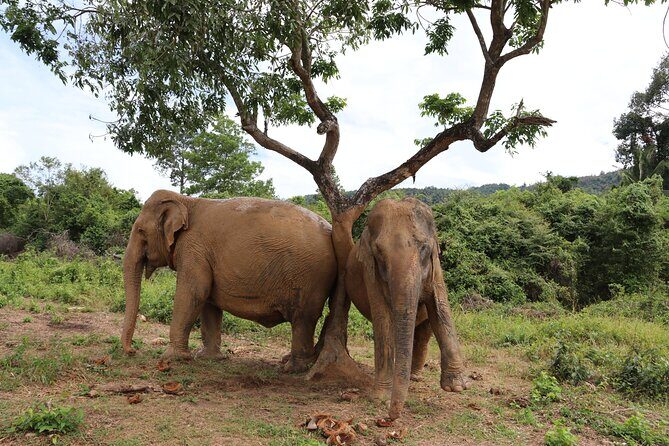
This tour isn’t only about seeing elephants. It’s designed to help you understand why these animals need special care and how that care looks in the real world.
You’ll learn the history of the elephants and how staff take care of them. That includes learning what rescue means for elephants that previously faced captivity, abuse, or labor. Many people find that story-driven element makes the whole interaction feel more meaningful because you’re not just meeting an animal—you’re meeting a rescue journey.
You also pick up practical insights about elephant comfort: how they cool down, how routines support well-being, and why calm, respectful handling matters. If you’re the type who wants your vacation to leave you with something more than photos, you’ll appreciate this part.
The elephant-welfare angle: why this sanctuary feels different
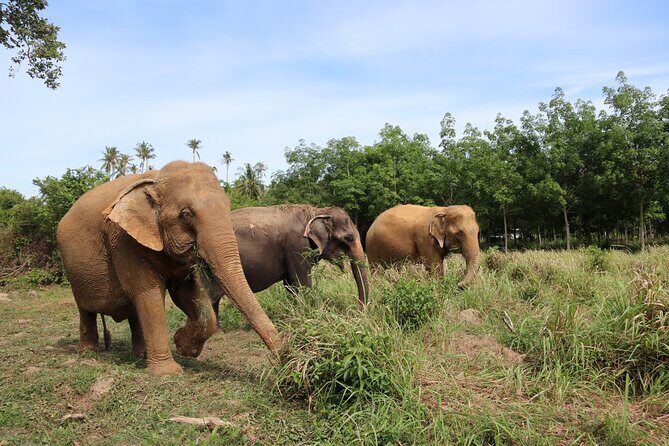
A key theme here is animal welfare and respect. The way staff coordinate feeding, walking, bathing, and observation is meant to support the elephants, not force a crowd-pleasing schedule.
You’ll likely notice you have limited interaction compared to flashier attractions. But that can be a good thing. It lets elephants choose how they move and how they participate, which is the whole point of a sanctuary-style visit.
If you care about ethics, pay attention to how the experience is structured:
- You interact in guided windows, not constantly.
- You see elephants behave naturally, including mud play and cooling routines.
- You’re there to learn, not to watch tricks.
This is also one reason it earns such high satisfaction: the tone stays consistent from beginning to end.
Price and value: is $97.83 worth it?
At $97.83 per person, this is not a cheap “tour add-on.” But for many people, the value comes from what’s included.
Here’s what you’re effectively paying for:
- Roundtrip transport in an air-conditioned vehicle
- A guided, structured 3-hour sanctuary experience
- Hands-on food prep and feeding
- Bath and mud cooling observation
- Vegetarian set meal
- Educational elephant history and care lessons
- A surprise video wrap-up
If you compare it to paying separately for transport, a guided activity, and a meal, the bundle starts to make more sense. And the “no riding” style matters too. You’re not paying for a premium trick; you’re paying for a care-focused visit with meaningful context.
Group size is capped at 30, which also improves value. It’s not a huge cattle-call where you’re one face in a crowd.
Practical tips: how to get the most out of a jungle elephant day
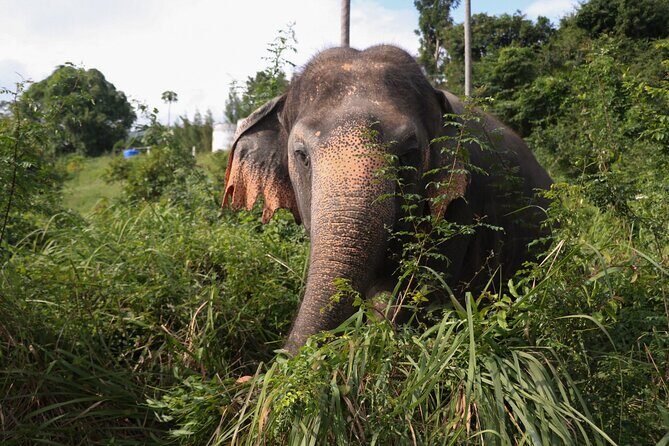
This tour is rewarding, but it’s still in a jungle environment. Here’s what I’d plan for:
- Bring sun protection. The experience is outdoors, and a very hot day can be rough.
- Hydrate early. There’s often cooling support mentioned (like cold water and cooling towels), but you shouldn’t rely only on that.
- Wear breathable clothes and closed-toe shoes. You’ll be moving around the sanctuary grounds.
- Stay calm and follow guide cues. During feeding and bathing, staff need everyone to move as directed.
- Have realistic expectations. You’re observing elephants first, feeding them in a controlled way, then watching how they cool down.
If you get overwhelmed easily by crowds or loud groups, arrive with a mindset of patience. Even with a 30-person cap, elephants are shared space, and the day runs on animal needs.
Who should book (and who might want a different option)

This tour is a great fit if:
- You want an ethical, education-forward elephant encounter in Koh Samui.
- You like hands-on activities like making elephant food and feeding under guidance.
- You want a balanced half-day that includes a meal and a wrap-up video.
- You’re okay with an outdoor experience and you can handle heat with the right gear.
It may not be the best fit if:
- You’re hoping for lots of constant interaction or a highly air-conditioned setup. The sanctuary experience is largely outdoors.
- You dislike hot weather days. Some people have reported heat stress when conditions were extreme, especially due to limited indoor cooling.
Should you book the Half Day Elephant Home Sanctuary in Samui?
If you’re choosing between “see elephants” and “learn about elephants,” this one leans hard toward the second option. The best reason to book is the structure: you’re guided, you feed and observe in organized ways, and you get clear welfare-focused context along the way.
I’d book it if you can handle an outdoor jungle schedule and you care about how your encounter supports elephant well-being. Skip it if heat would ruin your day or if you’re looking for a different kind of thrill, like riding.
If you want a satisfying half-day on Koh Samui that feels meaningful and not exploitative, Samui Elephant Home is a strong pick.
FAQ
How long is the Half Day Elephant Home Sanctuary tour?
The experience runs for about 3 hours (approx.).
Do they pick up guests from their hotel?
Yes. Roundtrip transportation is offered to and from your hotel in an air-conditioned vehicle.
What is included besides elephant time?
You’ll have time to observe elephants roaming in the jungle, learn from a local guide, participate in feeding-related activities, and then eat a vegetarian set of food after the program. A surprise video is also part of the experience.
Is there a vegetarian meal included?
Yes. After the sanctuary activities, you’ll be served a vegetarian set of food.
What’s the group size limit?
This tour/activity has a maximum of 30 travelers.
What happens if the weather is poor?
This experience requires good weather. If it’s canceled due to poor weather, you’ll be offered a different date or a full refund.