REVIEW · KOH SAMUI
Koh Samui Elephant Home Sanctuary and the first Elephant Museum
Book on Viator →Operated by Samui Elephant Home · Bookable on Viator
A quiet walk with elephants beats a theme-park day. This tour mixes the first Elephant Museum on Koh Samui with a calm jungle walk and a hands-on conservation activity. You’ll also get to see how elephants live when they are cared for properly, not put on a show.
I especially like the way the day blends learning with action. The museum portion comes with clear context on the elephants relationship to Thai culture, and guides like Katie and Angie are great at answering questions as you go. I also love that the ending is practical, not just photo time: you make seed bombs and launch them with a slingshot to help restore elephant habitat.
One consideration: the museum stop can feel like a slower pace for some people, and the day may include some driving depending on where you’re picked up from. If you prefer a fast, snack-and-go schedule, plan for a bit of waiting.
In This Review
- Key things to know before you go
- First-Ever Elephant Museum on Koh Samui: what you’re really paying for
- Stop 1 at Samui Elephant Home: the seed bomb workshop
- Stop 2: The Elephant’s Legacy museum visit
- Stop 3: Jungle walk with free-roaming elephants and mud-cooling moments
- The conservation finale: launch the seed bombs with a slingshot
- Pickup, timing, and pacing: how to plan your morning
- What makes this tour feel ethical (and not just educational)
- Guide experience: when the human touch really matters
- Who this is best for
- A quick look at value: is $65.18 a fair price?
- Quick FAQ
- FAQ
- How long is the Koh Samui Elephant Home and Elephant Museum tour?
- What is the price per person?
- Does the tour include pickup?
- What ticket format do you receive?
- What do you do during the seed bomb activity?
- How long is the museum stop?
- How many people are in a group?
- Is there free cancellation?
- Should you book this elephant sanctuary + museum day?
Key things to know before you go
- Two-hour-and-a-half schedule that packs museum time, elephant time, and a conservation activity
- Small group size with a maximum of 20 people, so you can actually hear your guide
- Clay seed bombs + slingshot planting gives you a real way to support habitat restoration
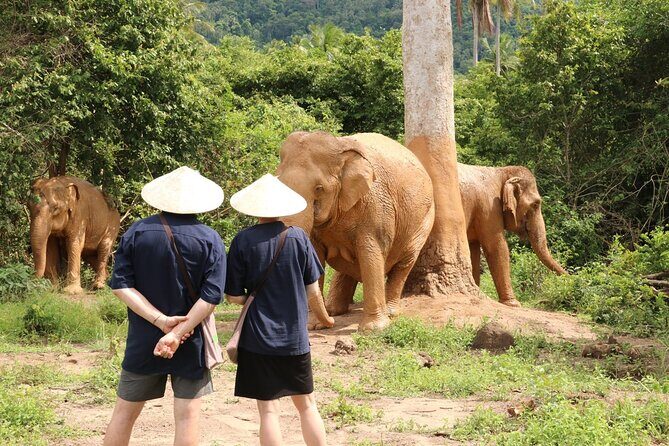
- Jungle walk with free-roaming elephants focuses on natural behavior like mud cooling
- Family-friendly, education-first visit with museum exhibits plus an ethical sanctuary message
- Comfort perks noted in reviews: cold water on hand and very clean toilets
First-Ever Elephant Museum on Koh Samui: what you’re really paying for
At Samui Elephant Home, the tour’s heart is not just meeting elephants. It’s understanding why ethical care matters, and how elephants were historically treated in Thailand compared to today’s rescue-and-retirement approach. For me, that’s what makes this tour worth your time: you’re not just passing through an attraction. You’re getting a guided story, then seeing the result in the jungle.
Price is $65.18 per person, and you get more than one “activity checkbox.” You’re buying three things in one block: access to the sanctuary area, entry to the museum, and a conservation craft that you complete yourself (seed bombs). You also get a guided walk around the elephant habitat, not a free-for-all.
The museum is framed like a focused concept, and the signage and exhibits are built to connect elephant life with cultural memory and change over time. I like formats that don’t require you to already know the topic. Here, your guide fills in the gaps and keeps it moving at a comfortable pace.
Other elephant sanctuary tours we've reviewed in Koh Samui

Stop 1 at Samui Elephant Home: the seed bomb workshop
You start at Samui Elephant Home at 11 8, Tambon Na Mueang, Amphoe Ko Samui, Surat Thani 84140. From there, the first stop sets the tone. You’ll spend around 30 minutes on a clay-and-seeds activity, where you create seed bombs using clay and native seeds. The goal is simple: make food for the forest in the future, tied to restoring the elephants’ habitat.
This part feels small at first. You’re at a table forming clay, and it’s not instantly obvious how it connects to elephants. But the workshop lands better once you see the sanctuary setting and the last part of the tour, when the “planting” becomes real. In reviews, this transition is something people specifically call out: the activity seems odd at the start, then makes sense as the day continues.
Practical tip: wear clothes you don’t mind getting a little messy. Even if the clay isn’t dramatic, it’s still clay. And if you’re the kind of person who wants photos, do the clay work first, then step away for camera shots once you’re done.
Stop 2: The Elephant’s Legacy museum visit
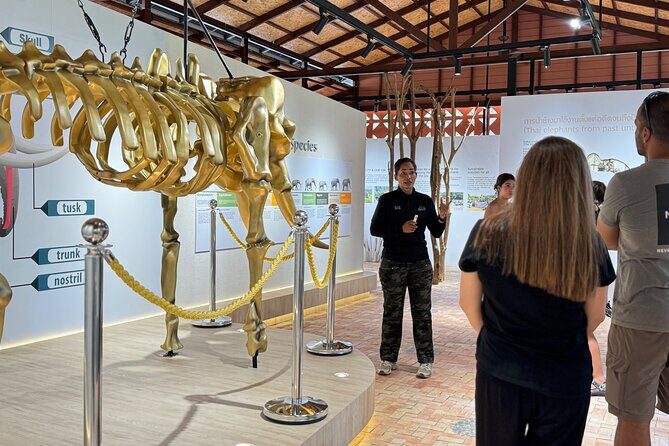
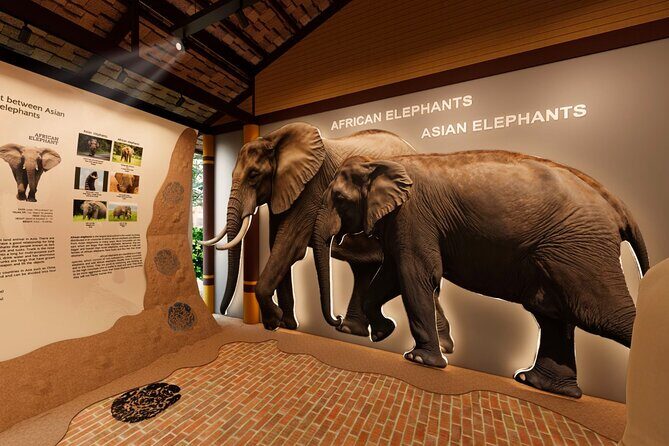
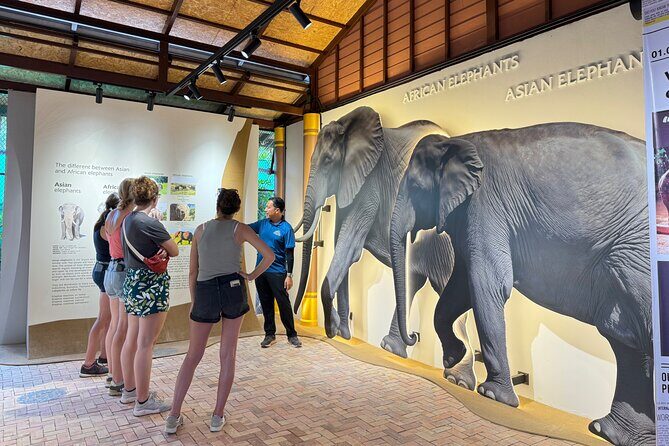
Next comes the museum portion, also about 30 minutes. This is Samui’s first and only Elephant Museum, with a theme described as The Elephant’s Legacy: Traces of Time, Steps of Change. The exhibits are designed to connect Thai culture and elephant history, and then bring you forward into the conservation mindset that drives modern sanctuary care.
What I like here is how the museum doesn’t stay purely academic. Your guide ties the stories to what you’ll see outside—how elephants move, what they do, and why the environment matters. In reviews, people repeatedly praise the guide’s ability to answer questions during the museum time, which is a good sign that you’re not just walking through rooms alone.
A drawback to plan for: museum time can be a bit long for people who prefer lots of outdoors time right away. One review even called out that the museum portion and overall timing could feel longer than expected. If you’re sensitive to waiting, try to keep your expectations flexible and treat the museum as the “why” section before you get the “how it looks in real life” part.
Also, bring patience for the flow of the day. With a max group size of 20, you’ll move as a group, not at your own pace.
Stop 3: Jungle walk with free-roaming elephants and mud-cooling moments

After the museum, you shift into the part most people came for: a jungle walk alongside elephants in their natural habitat area. This portion is about 1 hour, and it’s where the tour becomes less lecture and more observation.
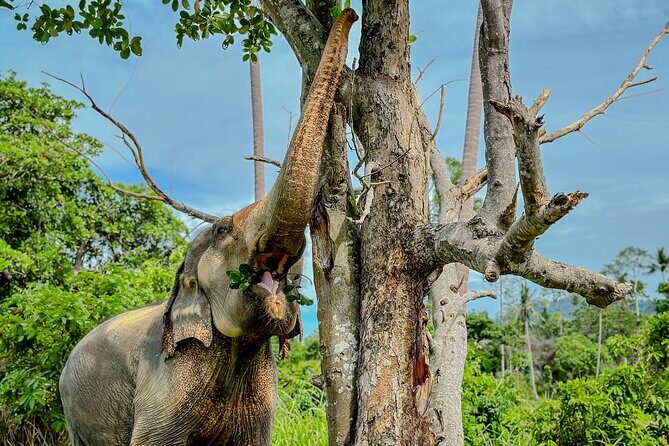
You’ll watch how elephants behave when they’re not performing. You can see them play in mud, which the tour frames as a way for them to cool down. That detail sounds simple, but it helps you read what you’re seeing. Instead of thinking you’re just watching “elephant antics,” you start noticing how they use their environment to regulate comfort.
This is also where ethical tourism shows up in the day’s structure. The interaction is about being present, watching, and learning—not about riding or stunt-style engagement. In reviews, people specifically mention that the elephants in the sanctuary were rescued from performing in circuses, from logging work, and from being ridden. That context matters because it changes your emotional lens. You’re not just seeing animals. You’re seeing animals whose lives were redirected.
You’ll likely get opportunities to take photos, but the best way to enjoy this stop is to hold your phone a little less and look longer. Your guide can point out behaviors that won’t be obvious on a quick glance.
The conservation finale: launch the seed bombs with a slingshot

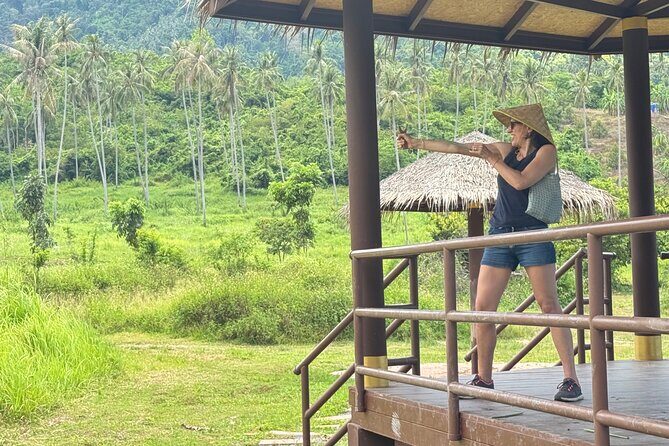
The tour doesn’t stop at making seed bombs. The conservation activity continues by using a slingshot to launch the seed bombs into the forest area. The idea is to place seeds where they can take hold and grow, supporting habitat restoration linked to elephants’ long-term food sources.
This is the part that often turns skeptics into believers. Reviews describe people feeling dubious at the clay stage, then getting it once they see how the activity fits the rest of the day. There’s something satisfying about doing the work with your own hands, then watching it head into the environment as part of a bigger plan.
Safety note (general, not scary): when you’re handling any kind of slingshot tool, follow the guide’s instructions closely. Treat this as an activity with rules, not a game. If your guide gives a clear stance and pointing directions, take them seriously.





Pickup, timing, and pacing: how to plan your morning
This experience lasts about 2 hours 30 minutes. It starts and ends at the same meeting point, which keeps things simple. The tour also offers pickup, and you’ll receive a mobile ticket. It’s described as near public transportation, which is helpful if you’re not using a hotel van.
Two things to plan for:
- Expect a mix of indoor and outdoor time. The museum is indoors; the jungle walk is outdoors; the seed bomb work is hands-on.
- Build in buffer time before and after. A small group and a guided schedule can still shift a bit depending on the day’s elephant activity and the flow between stops.
If you’re traveling with kids, this timing usually works well because it doesn’t drag all morning. But if you’re sensitive to slower museum pacing, focus on being mentally ready for the “learning” portion before the more active walk.
What makes this tour feel ethical (and not just educational)
A lot of elephant encounters market themselves as educational, but ethical care is what changes the day. Here, the structure is clearly built around conservation and sanctuary retirement.
The clues are built into the sequence:
- You start with a habitat-support activity (seed bombs).
- You learn the elephant story in a museum setting.
- You watch elephants in their environment.
- You finish by helping plant habitat support into the forest.
That sequence isn’t accidental. It creates an arc: learn why, see the current reality, then participate in a small action that points toward the future.
I also like that the tour is framed as family-friendly. That doesn’t mean watered down. It means the explanations are meant to be accessible, and your guide is there to answer your questions.
Guide experience: when the human touch really matters
Good guides don’t just speak. They respond. Multiple reviews highlight guides named Katie and Angie for their friendliness, humor, and ability to answer questions. That matters because elephants bring up questions fast, and museum exhibits raise even more.
If you’re someone who asks why a behavior happens or what a conservation choice means, you’ll probably appreciate a guide who can handle those questions on the spot. It’s one reason people give this tour a very high rating.
Who this is best for
This is a strong fit if you want:
- An elephant day that prioritizes ethics and habitat, not riding or performance
- A museum stop that adds context (instead of just passing time indoors)
- A hands-on conservation activity you can participate in from start to finish
- A small-group experience with a guided flow
It may be less ideal if:
- You hate museum pacing and want only outdoor time
- You’re easily frustrated by a longer sit indoors relative to the total tour length
- You want maximum elephant interaction beyond observation
A quick look at value: is $65.18 a fair price?
For $65.18, you’re paying for a package that includes sanctuary time, museum admission, a guided jungle walk, and a conservation activity where you make and launch seed bombs. That’s more than a standard “entry plus elephants” deal.
You also get comfort extras referenced in reviews: cold water and very clean toilets. Those aren’t the headline, but they make the day easier, especially if you’re in the heat.
In other words, the value is in the combination and the guided education. If you want elephants without context, you might find cheaper. If you want a meaningful, structured ethical visit, this is priced in the right range.
Quick FAQ
FAQ
How long is the Koh Samui Elephant Home and Elephant Museum tour?
It runs about 2 hours 30 minutes (approx.).
What is the price per person?
The price is $65.18 per person.
Does the tour include pickup?
Pickup is offered.
What ticket format do you receive?
You get a mobile ticket.
What do you do during the seed bomb activity?
You make seed bombs from clay and native seeds, and you launch them into the forest using a slingshot.
How long is the museum stop?
The museum visit is about 30 minutes.
How many people are in a group?
There is a maximum of 20 travelers.
Is there free cancellation?
Yes. You can cancel for a full refund up to 24 hours in advance.
Should you book this elephant sanctuary + museum day?
If you care about elephants living their lives in a real habitat, not in a show setting, and you want a guided day with context plus a conservation action, I’d book it. The museum and the seed bomb finale turn this into more than a quick photo stop, and the small group size helps you actually absorb what your guide explains.
If you’re the type who wants constant movement and hates indoor time, set your expectations for a museum stop that takes its share of the schedule. But for most people, the balance works well: learning first, jungle observation next, then a practical conservation moment to close out the experience.